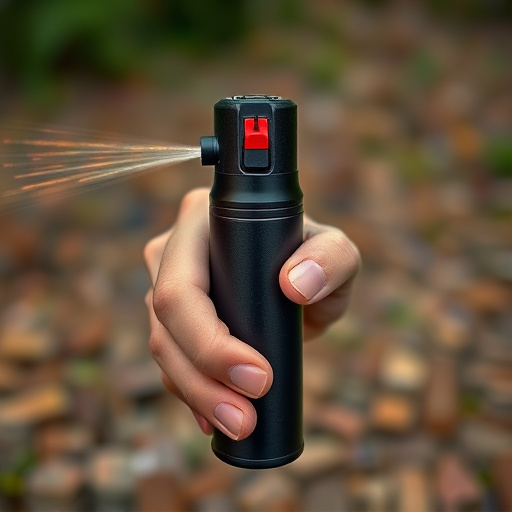
In hot climates, pepper spray efficacy diminishes rapidly due to elevated temperatures, challenging law enforcement and security in urban heat stress environments. Effective storage solutions involve well-ventilated areas, shielding from direct sunlight, specialized containers with insulation, and temperature control mechanisms to preserve potency. Optimal hot climate pepper spray storage is crucial for maintaining the integrity of this critical tool when public order demands it.
In many regions, riot control pepper spray is an essential tool for law enforcement facing challenging conditions, especially in hot climates. Understanding how heat impacts spray performance and identifying suitable storage solutions is crucial for effective deployment. This article delves into the specific considerations for managing hot climate pepper spray storage, covering everything from the effects of high temperatures on spray potency to designing robust dispenser units capable of withstanding these harsh conditions.
- Understanding Hot Climate Conditions and Pepper Spray Performance
- – The impact of heat on pepper spray effectiveness
- – Common challenges in hot climates for traditional pepper spray storage
Understanding Hot Climate Conditions and Pepper Spray Performance
In hot climate conditions, the performance and storage of pepper spray can be significantly impacted. High temperatures can cause certain types of pepper spray to degrade more quickly, reducing their effectiveness. This is particularly concerning for law enforcement agencies and security personnel tasked with maintaining public order in urban areas where heat stress is prevalent.
Proper storage becomes even more critical under such conditions. Storing pepper spray units in well-ventilated areas, away from direct sunlight, can help mitigate the effects of heat. Additionally, using specialized containers designed for hot climate pepper spray storage, which feature insulation and temperature control mechanisms, ensures that the spray remains potent and ready for use when needed.
– The impact of heat on pepper spray effectiveness
In hot climates, the storage and deployment of pepper spray can present unique challenges due to the impact of elevated temperatures on its effectiveness. Pepper spray, which contains capsaicin oil, is known for its irritant properties that disrupt visual and respiratory functions, making it a powerful tool for riot control. However, heat can degrade the active ingredients in the spray, reducing its potency over time. High temperatures accelerate the chemical reactions that break down capsaicin, leading to a decrease in concentration and, consequently, less impact on targeted individuals.
To mitigate these effects, it’s crucial to store pepper spray units in temperature-controlled environments, especially when deployed in regions with consistent hot weather. Proper storage conditions ensure that the spray retains its intended potency, making it more reliable during riot control operations. In terms of Hot Climate Pepper Spray Storage, manufacturers often recommend specific guidelines to maintain product integrity, including keeping the units away from direct sunlight and extreme heat sources to prolong their effectiveness.
– Common challenges in hot climates for traditional pepper spray storage
In hot climate conditions, storing traditional pepper spray units can present unique challenges. The primary issue lies in maintaining optimal performance and safety standards, as high temperatures can degrade the chemical composition of pepper spray over time. Extreme heat may cause the active ingredients to lose their potency, reducing the effectiveness of the spray when needed most. This is particularly concerning in regions with scorching summer temperatures where proper storage facilities might be scarce or costly.
Additionally, hot climates necessitate careful consideration of the physical state of the spray canisters. Elevated temperatures can lead to unintended discharge or even spontaneous combustion in rare cases, posing significant risks to personnel and surrounding areas. Therefore, specialized storage solutions are required for hot climate pepper spray storage, incorporating features like temperature-controlled environments and secure containment systems to mitigate these risks and ensure the integrity of the equipment.
In extreme hot climate conditions, effective pepper spray storage presents unique challenges. Understanding how heat impacts spray performance is crucial for optimal deployment. By recognizing the vulnerabilities of traditional storage methods in such environments, we can innovate solutions that ensure pepper spray remains viable and accessible when it’s needed most. Adapting to these conditions is essential for efficient riot control strategies in hot climates.